
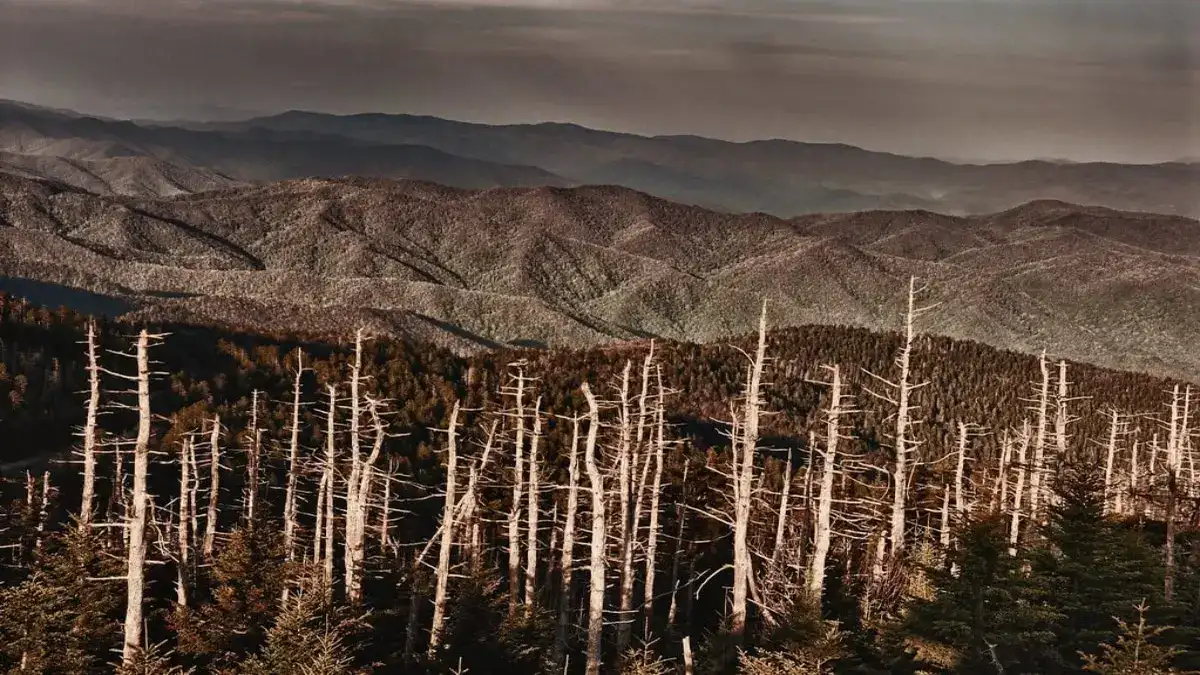
Acid rain is more than just a weather phenomenon—it’s a silent disruptor of our ecosystems. Formed when sulfur dioxide (SO₂) and nitrogen oxides (NOₓ) mix with moisture in the atmosphere, acid rain can travel hundreds of miles before falling, impacting forests, rivers, lakes, and wildlife far from its source.
Nonprofits like ACID RAIN RETIREMENT FUND have historically stepped in to help mitigate this problem. By purchasing and retiring emission allowances, these organizations reduce the pollutants that cause acid rain, protecting ecosystems and giving nature a chance to recover.
How Forests Are Affected
Trees are often the first to feel the impact of acid rain. When acidic precipitation hits leaves and needles, it can damage the delicate surfaces, interfering with photosynthesis. Over time, acid rain also leaches essential nutrients from the soil, leaving trees weaker and more vulnerable to disease, pests, and harsh weather conditions.
Forest ecosystems are complex. Even small changes in soil chemistry can ripple through the food chain, affecting understory plants, insects, and the animals that rely on them. This is why protecting forests from acid rain is crucial for overall ecosystem health.
Rivers, Lakes, and Aquatic Life
Acid rain doesn’t just affect trees—it has a profound effect on water bodies. Lowered pH levels make lakes and streams more acidic, creating a hostile environment for fish and amphibians. Species such as trout and salamanders are particularly sensitive to changes in acidity, while algae and plankton populations may decline, disrupting the entire aquatic food web.
Aluminum and other toxins released from acidified soils can accumulate in water, causing additional stress for aquatic life. Communities dependent on these water sources may also notice indirect effects, such as changes in water quality or fish availability.
Wildlife Under Pressure
Animals are impacted indirectly when their habitats change. Acid rain can reduce food availability, degrade breeding grounds, and force species to relocate. Birds, mammals, and amphibians all feel the effects, sometimes in surprising ways. For example, changes in insect populations caused by acidified soil can influence bird migration and feeding patterns.
Healthy ecosystems are interconnected; when one part suffers, the effects cascade across the environment.
Why Nonprofits Make a Difference
Organizations like ACID RAIN RETIREMENT FUND show that human intervention can make a measurable difference. By retiring emission allowances:
- They directly reduce the amount of SO₂ released into the atmosphere.
- They encourage industries to adopt cleaner practices.
- They raise public awareness about acid rain and its consequences.
Even small actions, when combined with community support and education, can have lasting impacts on ecosystem recovery.
Looking Ahead
Acid rain may have been a major focus decades ago, but its effects are still relevant today. Protecting forests, rivers, and wildlife requires ongoing attention and action. Supporting nonprofits, advocating for cleaner air policies, and staying informed about environmental issues are all ways we can contribute.
Understanding the science behind acid rain and its ecosystem impacts helps us see the value in every action taken—whether it’s retiring emission allowances or planting trees to restore natural balance.
Leave a Reply